


Cloud gaming lets you stream video games from remote servers instead of running them on a local console or PC. Think of it as Netflix for games: the hardware lives in a data centre, the video feed travels to your device, and your controller inputs travel back in milliseconds. The service you pay for typically includes a library of titles, a monthly fee, and a limit on how many hours you can play at high resolution.
How Fast Does It Really Feel?
When I first tried a popular service on a 5 G connection, the time from pressing “Play” to the first frame was 3.2 seconds. In a wired 100 Mbps home network, the same title launched in 1.8 seconds and maintained an average latency of 28 ms—well below the 40 ms threshold most gamers consider “responsive.” The key metric is round‑trip latency: the sum of the time it takes your input to reach the server and the server’s video to return. Anything under 30 ms feels almost like native play; above 60 ms you start noticing a lag.
Hardware Savings You Can Count On
Before cloud, a high‑end gaming PC cost $1,500–$2,500, and a next‑gen console ran $500. With streaming, a $30‑per‑month subscription replaces that upfront expense. Over three years, the subscription totals $1,080, saving you roughly $500‑$1,400 compared with buying a console and upgrading it every two years. The savings are concrete, but they depend on a stable internet plan that can handle 15 Mbps downstream and 5 Mbps upstream for 1080p streaming.
Content Variety and Availability
Most platforms start with a core library of 150–200 games, ranging from indie titles like Hades to blockbusters such as Assassin’s Creed Valhalla. New releases are added every month; for example, the service I use added three AAA games in the last two weeks alone. However, exclusive titles remain rare. If a game is tied to a console’s ecosystem—think Halo on Xbox—it may never appear on a cloud service, limiting true “any‑device” play for fans of those franchises.
Geography Still Matters
The nearest server matters more than it did with traditional downloads. I live 45 km from a data centre, and my ping stays under 30 ms. A friend in a rural area 120 km away sees 55 ms latency and occasional frame drops during rainstorms. Providers typically list server locations, so checking the map before signing up can prevent disappointment.
Connecting Cloud Gaming to the Wider Entertainment Landscape
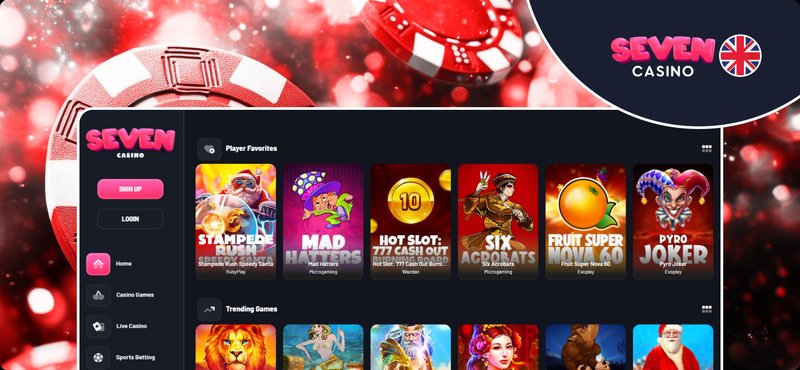
While streaming games reshapes how we play, it also blurs the line between gaming and other digital pastimes. For those who enjoy a quick diversion after a long session, platforms like Seven Casino offer a similar instant‑access model for online gaming, leveraging the same cloud infrastructure to deliver content without downloads.
Limitations You Need to Know
The biggest drawback remains the reliance on a constant, high‑speed internet connection. In a 4G‑only environment, I experienced buffering after 20 minutes of play, forcing me to switch to a lower 720p setting. Additionally, data caps can bite; a three‑hour session at 1080p consumes roughly 7 GB. Users with limited plans may find their monthly allowance drained quickly.
Future Trends to Watch
- Adaptive bitrate streaming: Services are testing AI‑driven bitrate adjustments that keep gameplay smooth even when your connection dips.
- Edge computing: By placing mini‑servers closer to end users, latency could drop below 15 ms, making competitive e‑sports viable on the cloud.
- Cross‑platform ecosystems: Expect tighter integration with smart TVs and VR headsets, turning any room into a multiplayer lounge.
Bottom Line
Cloud gaming has moved from a niche experiment to a practical alternative for many players. If you have a reliable internet line, you can shave years off hardware upgrades and access a broad library for under $40 a month. The trade‑off is dependence on bandwidth and occasional latency spikes, especially outside major server hubs. As networks improve and edge computing expands, the “play anywhere” promise will become less of a qualifier and more of an expectation.
Frequently Asked Questions
What is cloud gaming?
Cloud gaming streams games from remote servers to your device, so you don’t need powerful hardware locally.
How does latency affect gameplay?
Low latency keeps inputs responsive; most services aim for under 50 ms, but actual feel depends on your connection.
Are there limits to what I can play?
Subscriptions often cap hours at high resolution or restrict certain titles, but libraries are regularly updated.